Writers, hymns, scripture, and the long memory of a song
Songs arrive with ancestors.
Some MIЯROЯMOЯE songs begin with a phrase in a notebook. Others begin in a hymn written long before the present recording. This page keeps that lineage visible.
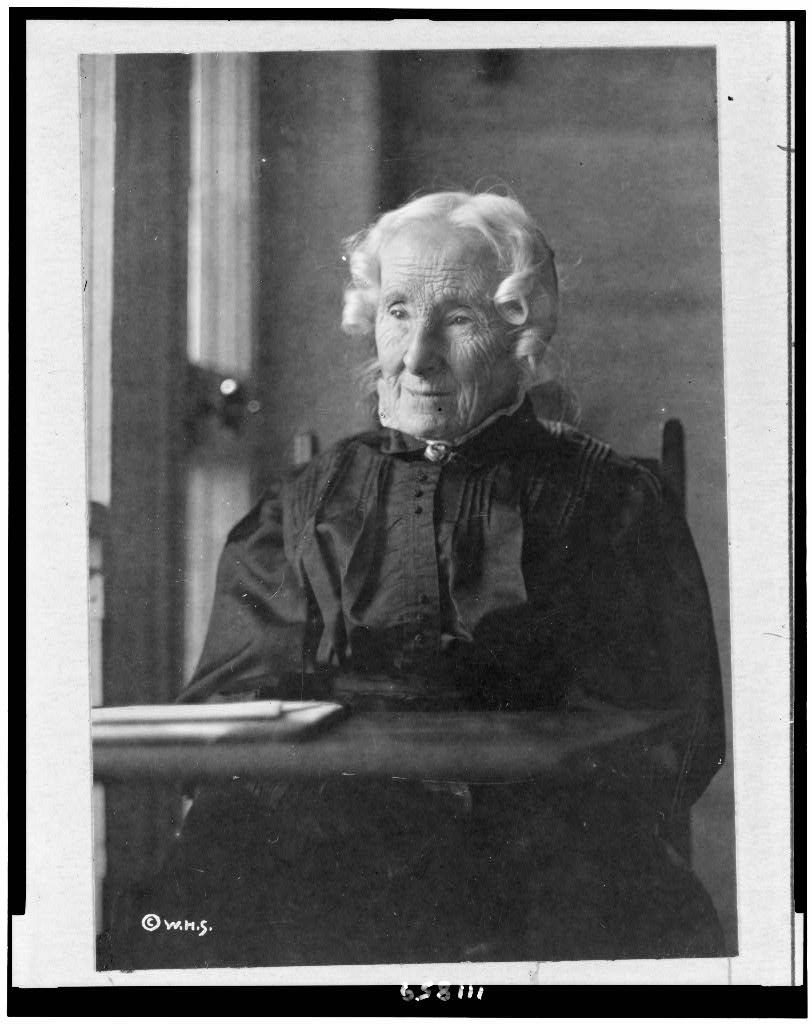
1824–1915
Anna Bartlett Warner
Author · “Jesus Loves Me”
An American novelist, teacher, and hymn writer, Warner wrote the poem that became “Jesus Loves Me” for Say and Seal, a novel published with her sister Susan Warner. Its plain language was part of its strength: a child could sing it, while an adult could spend a lifetime testing its claim.
Her public-domain text is the foundation beneath MIЯROЯMOЯE’s “Jesus Loves Me.”
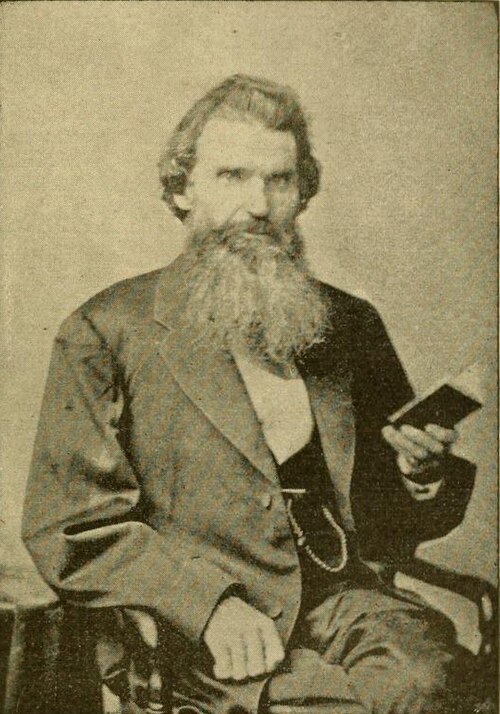
Bradbury was an American composer, music teacher, organist, and publisher who helped shape nineteenth-century congregational music. In 1862 he set Warner’s words to the tune now inseparable from them and added the familiar repeated refrain.
The historic tune and refrain are credited separately from Warner’s original text and from MIЯROЯMOЯE’s new arrangement work.
A Hundred Years of Music in America · 1889 · Public domain
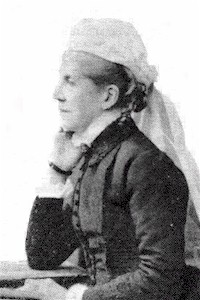
1824–1906
Anne Ross Cousin
Poet and hymn writer · “The Sands of Time Are Sinking”
A Scottish hymn writer and trained pianist, Cousin wrote the nineteen-stanza poem first published in 1857 as “The Last Words of Samuel Rutherford.” It later became widely known as “The Sands of Time Are Sinking” or “Immanuel’s Land.”
MIЯROЯMOЯE’s “Love Chased After Me” is an adaptation of Cousin’s public-domain hymn, with new language and structure around its imagery of time, dawn, and Immanuel’s land.
Historic portrait · Public domain via Wikimedia Commons
1842–1906
George Matheson
Minister and hymn writer · “O Love That Wilt Not Let Me Go”
Matheson was a Scottish minister and writer who lost his sight in youth, completed university studies, and served congregations in Innellan and Edinburgh. His enduring hymn frames divine love as the stronger hold—the love to which the tired soul can finally yield.
That image of unrelenting love was one of four older hymn traditions studied while “You Will Not Let Me Go” was being developed.
No portrait is displayed here because this research pass did not establish a reuse record as clearly as it did for the other images.
1808–1887
Ray Palmer
Pastor and hymn writer · “My Faith Looks Up to Thee”
Palmer wrote “My Faith Looks Up to Thee” in 1830 as a private expression of faith after a difficult year. Lowell Mason encountered the poem the following year and set it to OLIVET, turning private devotion into a widely sung American hymn.
Its picture of faith as direction rather than self-confidence informed the study behind “You Will Not Let Me Go.”
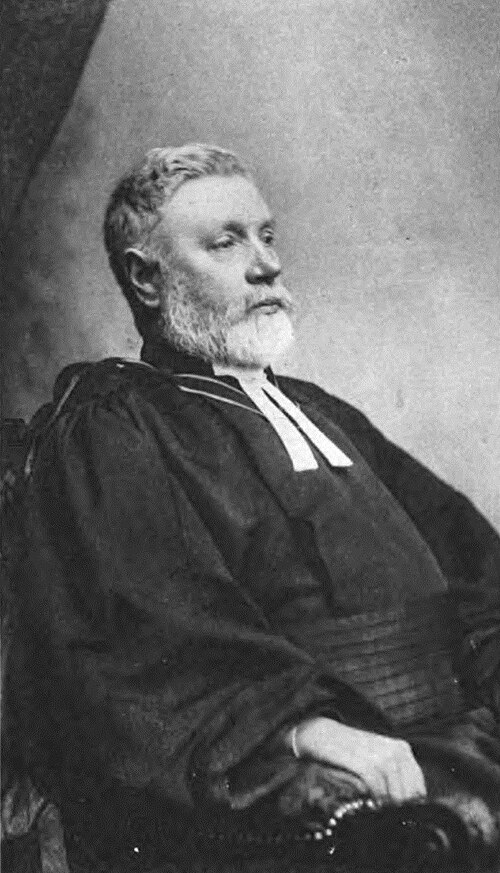
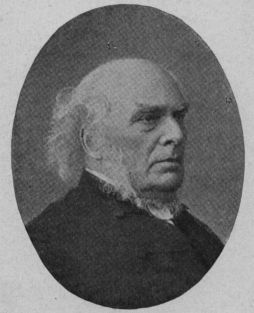
Minister and hymn writer · “I Heard the Voice of Jesus Say”
A Scottish minister, poet, and prolific devotional writer, Bonar wrote “I Heard the Voice of Jesus Say” in 1846 as “The Voice from Galilee.” Its call-and-response movement turns Christ’s invitation to rest, drink, and walk in light into personal testimony.
Its invitation to the weary supplied another theological thread in the study behind “You Will Not Let Me Go.”
Great Britain and Her Queen · 1897 · Public domain via Project Gutenberg
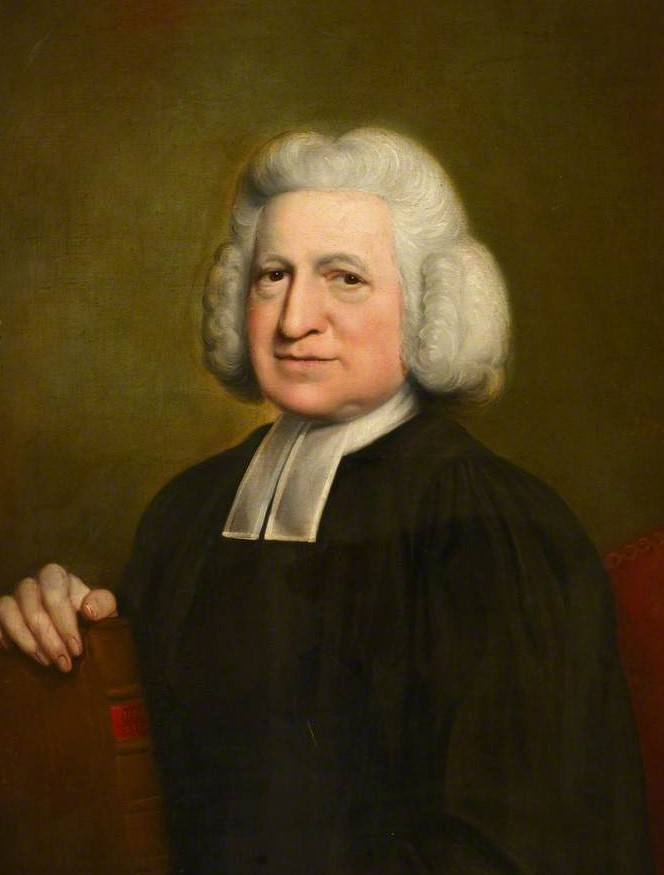
1707–1788
Charles Wesley
Poet and hymn writer · “Jesus, Lover of My Soul”
Wesley was an English clergyman, poet, and a founder of Methodism whose thousands of hymn texts made theology singable. “Jesus, Lover of My Soul” places the singer inside danger and asks for shelter rather than pretending the storm is absent.
Its storm-and-refuge language was the fourth hymn tradition studied during the writing of “You Will Not Let Me Go.”
These notes separate direct adaptation from thematic study and scriptural inspiration. That distinction protects the older writers and the new work at the same time.
Public-domain foundation
Jesus Loves Me
A new MIЯROЯMOЯE treatment built on a hymn whose words and familiar musical identity have named authors.
Original text
Anna Bartlett Warner, first published in the Warner sisters’ novel Say and Seal (1860).Anna Bartlett Warner ↑
A modern adaptation of Anne Ross Cousin’s public-domain poem “The Sands of Time Are Sinking,” also known as “Immanuel’s Land.”
Original writer
Anne Ross Cousin; the nineteen-stanza poem was first published in The Christian Treasury in 1857.Anne Ross Cousin ↑
Earlier source voice
Cousin drew from the letters and reported final sayings of seventeenth-century Scottish minister Samuel Rutherford.
MIЯROЯMOЯE contribution
New verses, chorus, bridge, title, arrangement, production, and a rewritten contemporary frame around Cousin’s imagery. The working archive called the song “Forever Love” and “Time’s Author” before its release title was settled.
An original MIЯROЯMOЯE prayer whose “King of Kings / Lord of Lords” declaration follows the title given to Christ in Revelation 19:16.
Source note
This is a scriptural lineage credit. The archive identifies the MIЯROЯMOЯE working title as “Forevermore (Hear My Plea),” not an adaptation of Anne Ross Cousin’s hymn.
An original MIЯROЯMOЯE lyric developed after studying four public-domain hymns for their shared theology. The working brief explicitly called for echoes without quotation.
Love that holds
“O Love That Wilt Not Let Me Go” by George Matheson.George Matheson ↑
Faith that looks
“My Faith Looks Up to Thee” by Ray Palmer.Ray Palmer ↑
A voice calling to rest
“I Heard the Voice of Jesus Say” by Horatius Bonar.Horatius Bonar ↑
Credit language follows the evidence in the working archive: adapted from when recognizable source writing remains, study lineage when older hymns shaped the brief without being quoted, and scripture lineage when a biblical passage supplied the central images or command.
Historic dates and biographies are linked to the underlying catalog or archive. Every locally hosted portrait on this page has a public-domain record; where that record was not sufficiently clear, no portrait was used.